
The flowers were never the problem.
The systems were.
Regional flowers have come a long way over the last decade. Designers are more seasonally aware. Farmers are expanding production. Clients are asking more questions about sustainability and where flowers come from.
But if regional flowers are going to truly work at scale in weddings, belief alone isn’t enough. The systems behind them matter.

The Designer Years
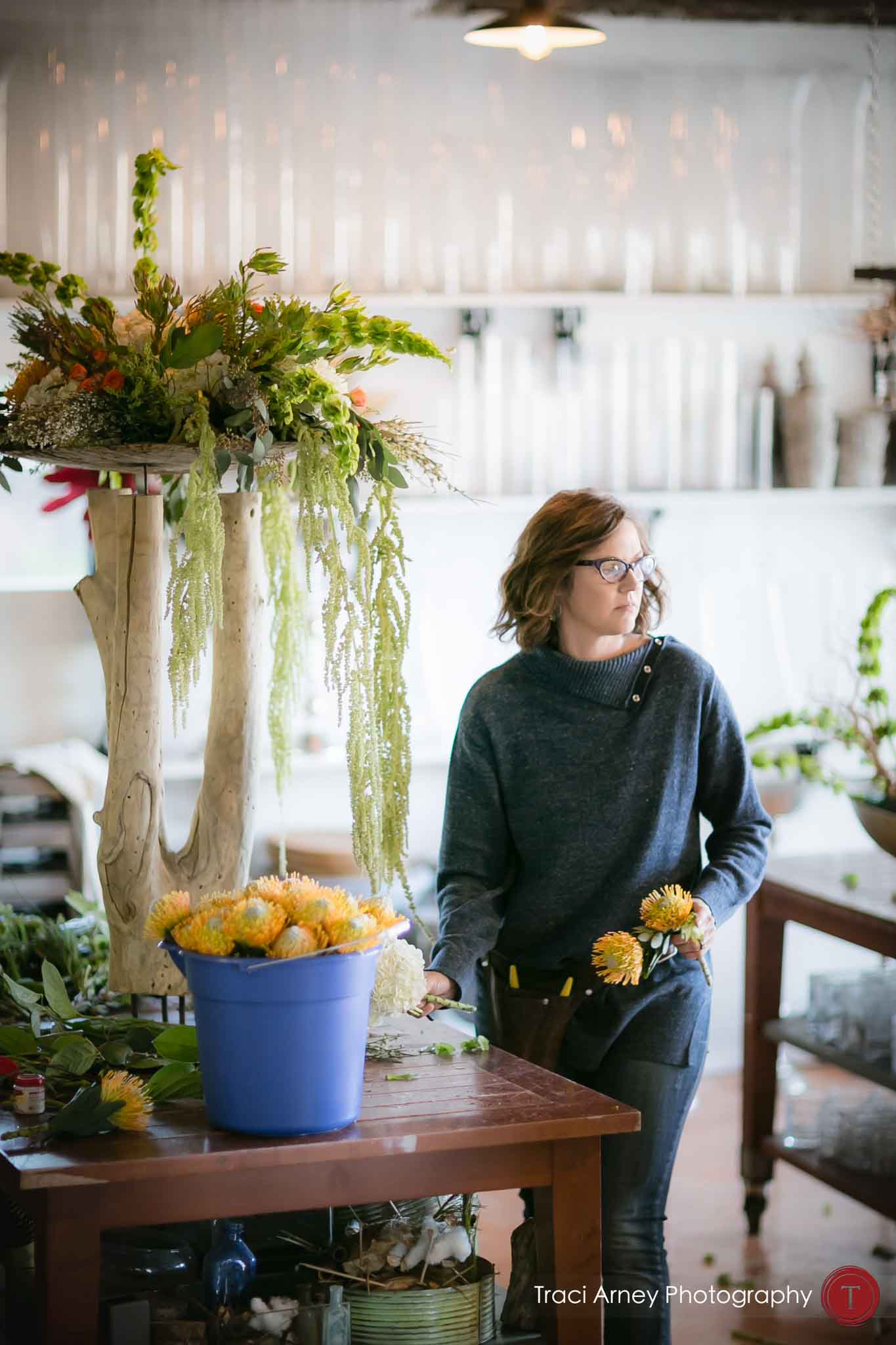
I’ve been in the floral industry since high school. It all started with washing buckets (we all start somewhere!). Over many years (many buckets and many designs later), I eventually owned my own floral studio with a focus on weddings. Like most designers at the time, I sourced almost entirely imported flowers. Not necessarily because I preferred them, but because I depended on them.
The Reality Back Then
Back then, I didn’t avoid local flowers because I didn’t believe in them. I rarely used them because it was incredibly hard to pull off in real wedding volume.
Farms were growing beautiful product. The challenge wasn’t quality, it was coordination. Communication often required multiple touchpoints. Ordering meant juggling conversations across farms. And logistics depended on a patchwork of delivery and pickup arrangements.
None of this was anyone’s fault. It was just the growing pains of a regional movement that didn’t yet have the systems to support volume.
A Wedding Design Revisited
While preparing for this post, I was feeling a little nostalgic, so I revisited two spring wedding bouquets from my past floral design days. I wanted to think through, “Could I have pulled this off with regional flowers today?”…
Soft Yellow + Ivory

Layered ranunculus and clear centered anemones. Delicate peach accents. Textural greens.
At the time, every stem came through import channels. Looking at it now, this entire bouquet could be sourced regionally in the spring. Would the overall palette, movement, and design intent be achievable regionally today? Absolutely.
Classic White + Blush

This design leaned heavily on imported roses. But that doesn’t mean the design couldn’t be achieved with regional sourcing. With thoughtful substitutions and strong seasonal equivalents, the movement, texture, and overall impact could remain intact (big juicy ranunculus in lieu of roses – um, yes!).
The question isn’t whether regional flowers can replicate imports perfectly. It’s whether the infrastructure now exists to make them reliable at scale.
That’s the shift. Not identical sourcing, but viable sourcing.
What Actually Changed
Regional flowers didn’t suddenly become more beautiful. The systems around them became stronger.
The difference between 2016 (bouquet examples) and now is about operations. The farms were there. The demand was there. What was missing was coordination.
Even with strong demand, flowers don’t scale without structure. When the systems are in place, regional sourcing becomes real. That realization reshaped my career. It’s what led me from designing weddings to building the kind of distribution layer I once wished existed. Today that work looks like Stemz.

As We Head Into Wedding Season
Wedding season has a way of testing everything…timelines, teams, and supply chains.
The future of wedding design isn’t about limiting creativity. It’s about building supply chains that support it.
Regional sourcing shouldn’t mean more work for designers. It should mean better coordination, clearer availability, and fewer last-minute scrambles.
To every designer heading into a full calendar and high expectations: I’m cheering you on. I’ve lived those early mornings and late nights. I know what it feels like to carry the weight of a wedding weekend.
I’ve designed the bouquets. Now I’m building the infrastructure that helps support them.
Warm wishes for a smooth &
successful wedding season,
Amy

Written by Amy Dunlap
Stemz CEO & Co-Founder